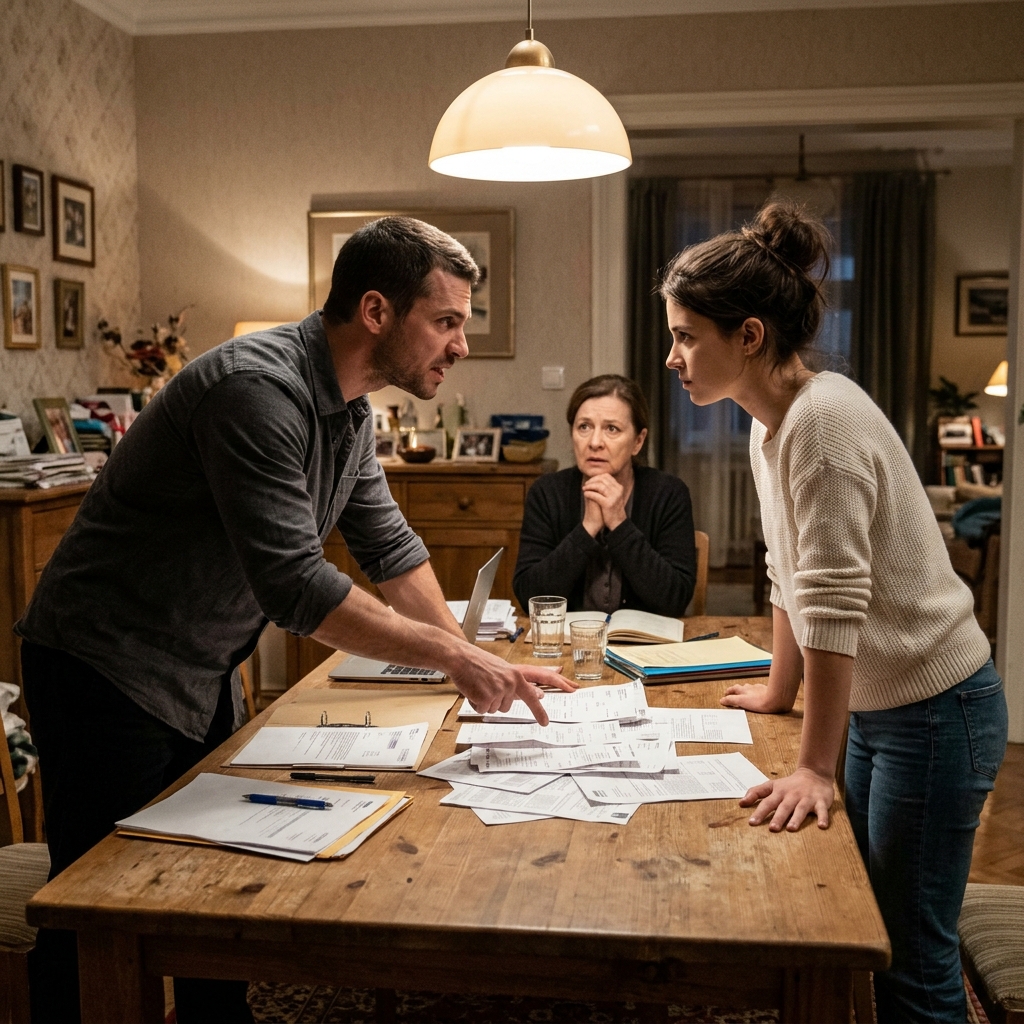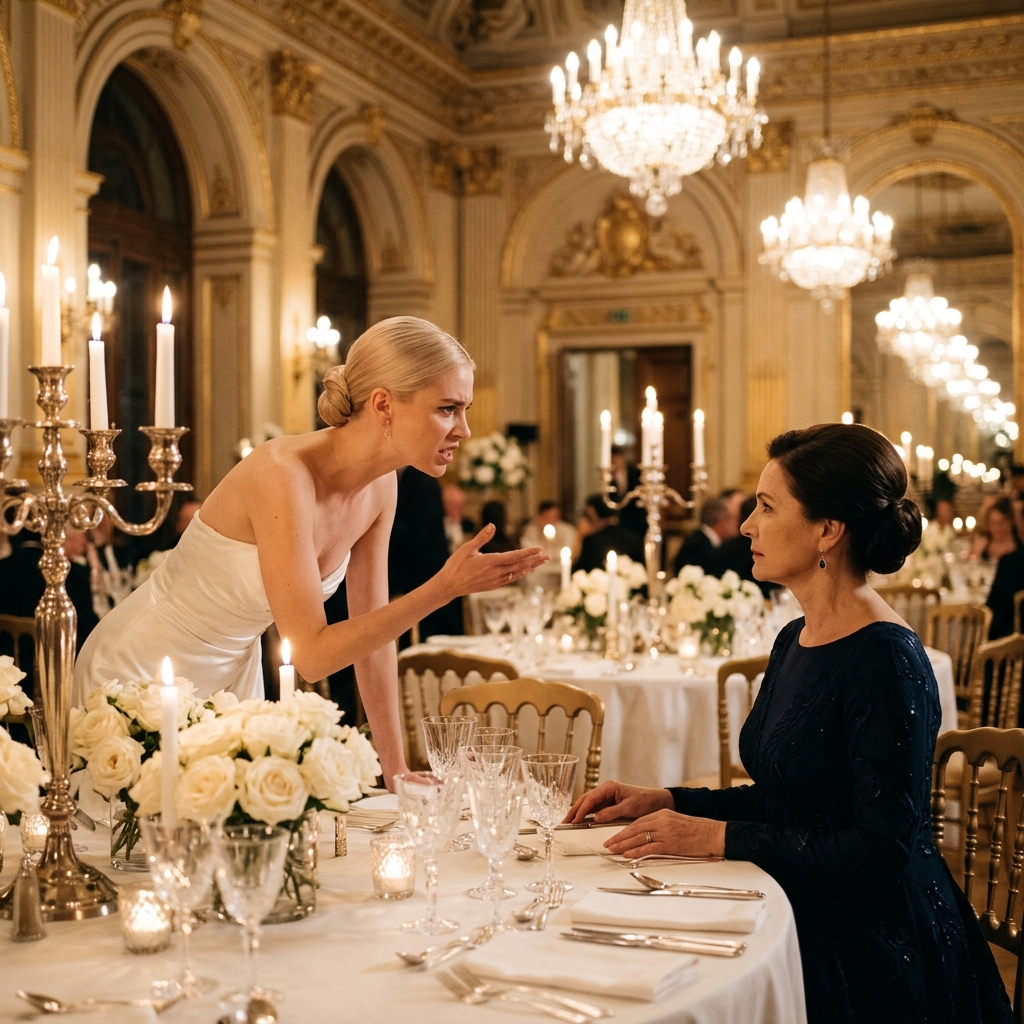
When you damaged the Hendersons’ fence, I paid before making you earn it back.
When your first apartment deposit was too high, I covered it.
When your business idea failed, I paid the credit card.”
“You were my mom.”
“Yes.”
“And I loved being needed.”
That was difficult to admit.
Thomas had been the practical one.
I had been the soft place.
After he died, being needed became even more important.
Every time Daniel called for help, I felt useful.
Connected.
Still necessary.
I had mistaken dependence for closeness.
Tiffany had exploited that.
Richard had exploited it.
But they had not created it.
I had.
Daniel squeezed my arm.
“We both learned something expensive.”
I laughed.
“Very expensive.”
We continued walking.
Tiffany and I never reconciled.
For a while, I wondered whether that made me unforgiving.
Then Linda sent me a letter.
She and Richard had divorced.
She did not ask for friendship.
She did not ask me to forgive Tiffany.
She simply apologized without excuses.
I appreciated that.
Tiffany moved to another state.
Daniel heard occasionally through mutual friends that she had remarried.
I wished her well from a distance.
That surprised me.
For a long time, I wanted her to understand what she had done.
I wanted remorse.
I wanted an apology.
I wanted some dramatic moment when she admitted I had been right.
Eventually, I realized that waiting for another person’s remorse is another way of giving them control.
So I stopped waiting.
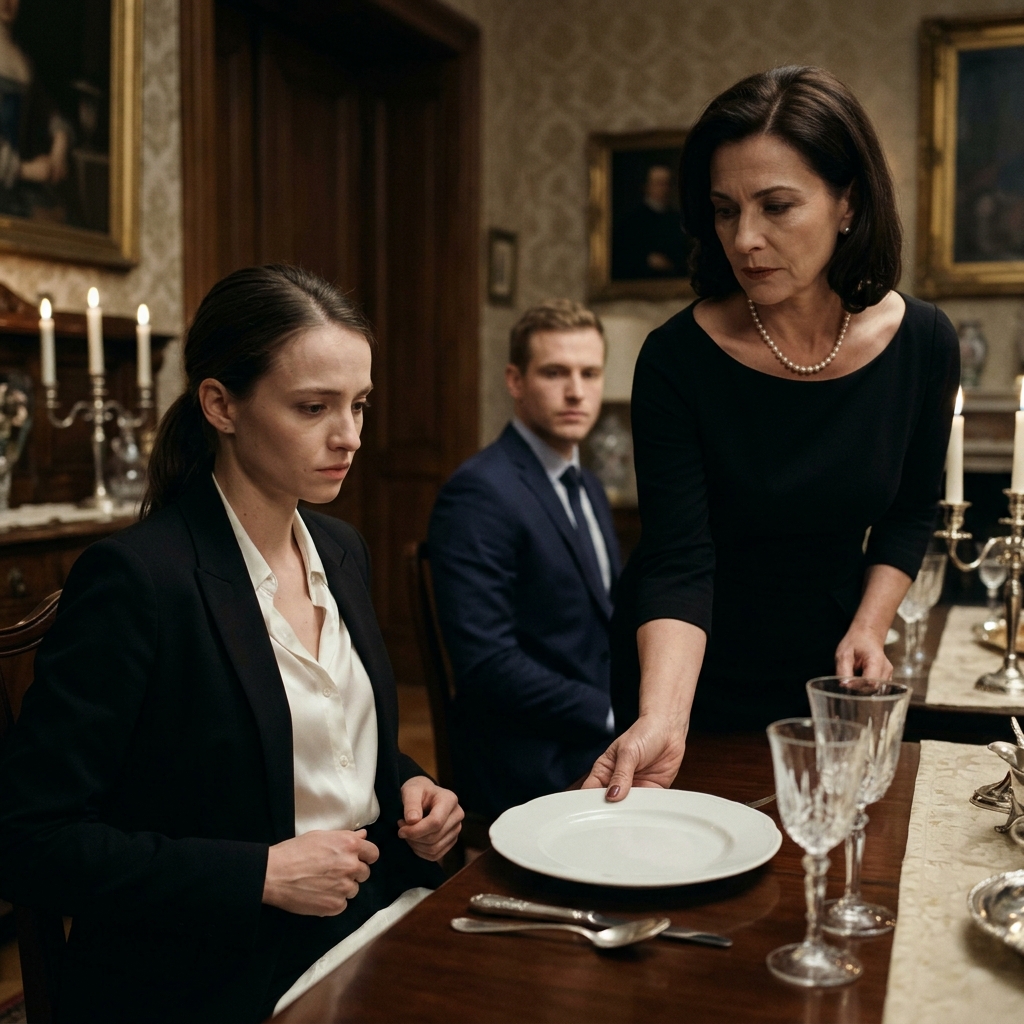
The strange thing was that people remembered the wedding exactly as Tiffany feared they would.
Not the orchids.
Not the imported roses.
Not the band.
Not the ice sculpture.
They remembered the slap.
For months, acquaintances approached me in grocery stores and restaurants.
“I heard what happened.”
“I can’t believe she did that.”
“What did you do afterward?”
At first, I hated those conversations.
Later, I learned to answer simply.
“I went home.”
Because that was the truth.
I went home.
Then I stopped paying.
Sometimes the biggest change in your life begins with something that looks like doing nothing.
No shouting.
No revenge.
No public humiliation.
Just closing your purse and saying no.
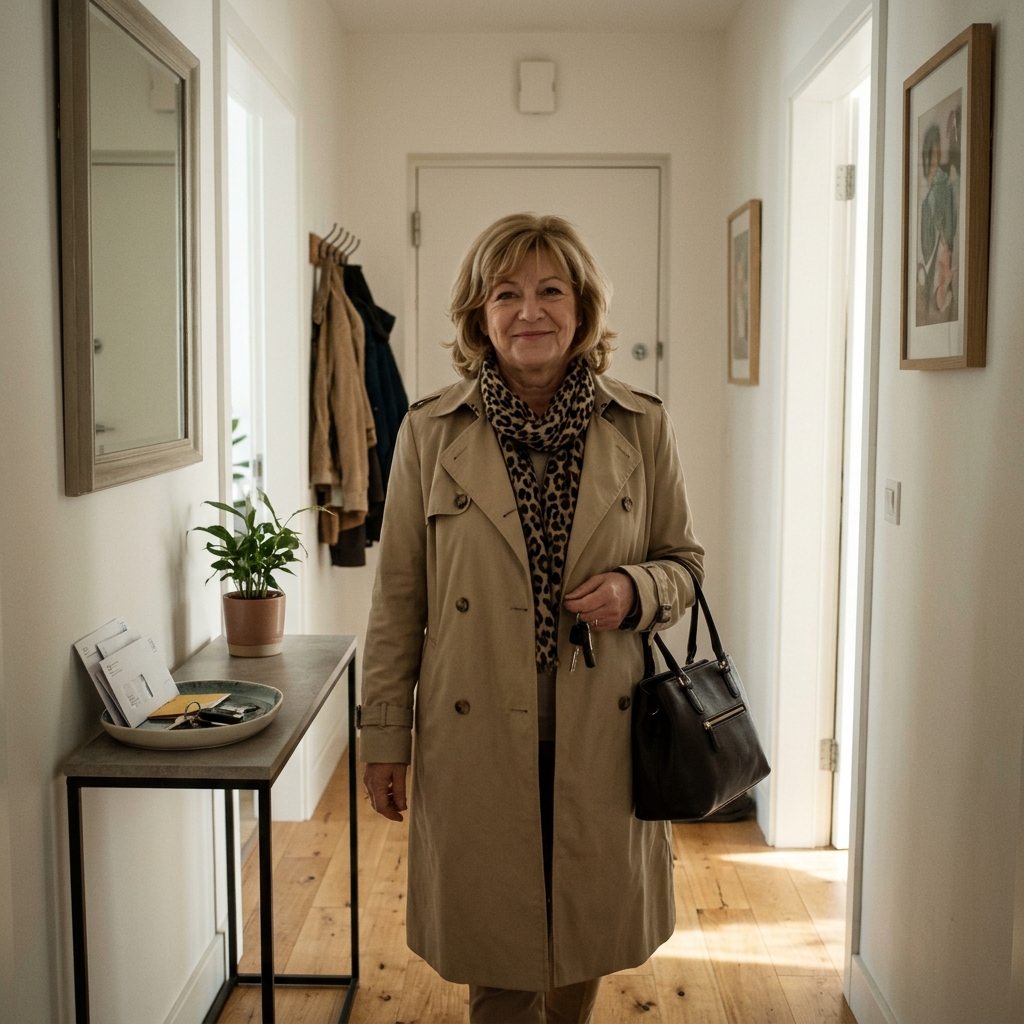
Two years after the wedding, Daniel invited me to dinner.
“There’s someone I want you to meet.”
I stared at him.
“Daniel.”
He laughed.
“It’s not what you think.”
The woman waiting at the restaurant was his new business partner, not a girlfriend.
Her name was Rachel, and they were opening a small residential renovation company.
Daniel had spent a year working for another contractor, learning operations instead of relying on the family company his father had built.
He wanted to start something himself.
He showed me the business plan.
It was careful.
Conservative.
Realistic.
Then he reached the financing section.
“I’m not asking you for money.”
I looked up.
“I didn’t say anything.”
“Your face did.”
Rachel laughed.
So did I.
Daniel continued.
“We have financing.”
“Good.”
“And I wanted you to see everything before we sign.”
“Why?”
“Because I value your opinion.”
Not your money.
Your opinion.
Four words I had waited years to hear without knowing it.
I read the plan.
I asked difficult questions.
Daniel answered them.
When he did not know something, he said so.
Nobody cried.
Nobody accused me of being controlling.
Nobody asked me to prove my love with a check.
It was one of the happiest dinners of my life.
A year later, their company renovated an old cottage near my house.
Daniel asked me to visit before they listed it.
The workmanship reminded me of Thomas.
Not because Daniel copied his father.
Because he finally understood what Thomas had understood.
Good things require structure.
A strong foundation is not controlling.
A budget is not cruelty.
A boundary is not rejection.
And love without limits is not always love.
Sometimes it is fear.
Sometimes it is guilt.
Sometimes it is the desperate desire to remain necessary.
On the third anniversary of the wedding, I found the original reception invoice while cleaning Thomas’s study.
I sat at his desk and looked through the pages.
Venue.
Flowers.
Music.
Food.
Lighting.
Photography.
Then I found the champagne proposal.
Laurent Reserve.
One hundred eighty bottles.
I remembered Tiffany standing beneath the chandeliers.
“Put the Laurent Reserve on your card.”
I remembered saying no.
I remembered the slap.
For years, I had thought that moment was the worst humiliation of my life.
It was not.
It was the moment humiliation ended.
I took the invoice outside.
Behind my house was the garden Thomas had planted.
Daniel had repaired the old stone fire pit that summer.
I placed the invoice inside.
Then I struck a match.
The corner caught first.
The flame moved slowly across the paper.
Laurent Reserve disappeared.
Then the flowers.
The ballroom.
The after-party.